NOWOŚĆ
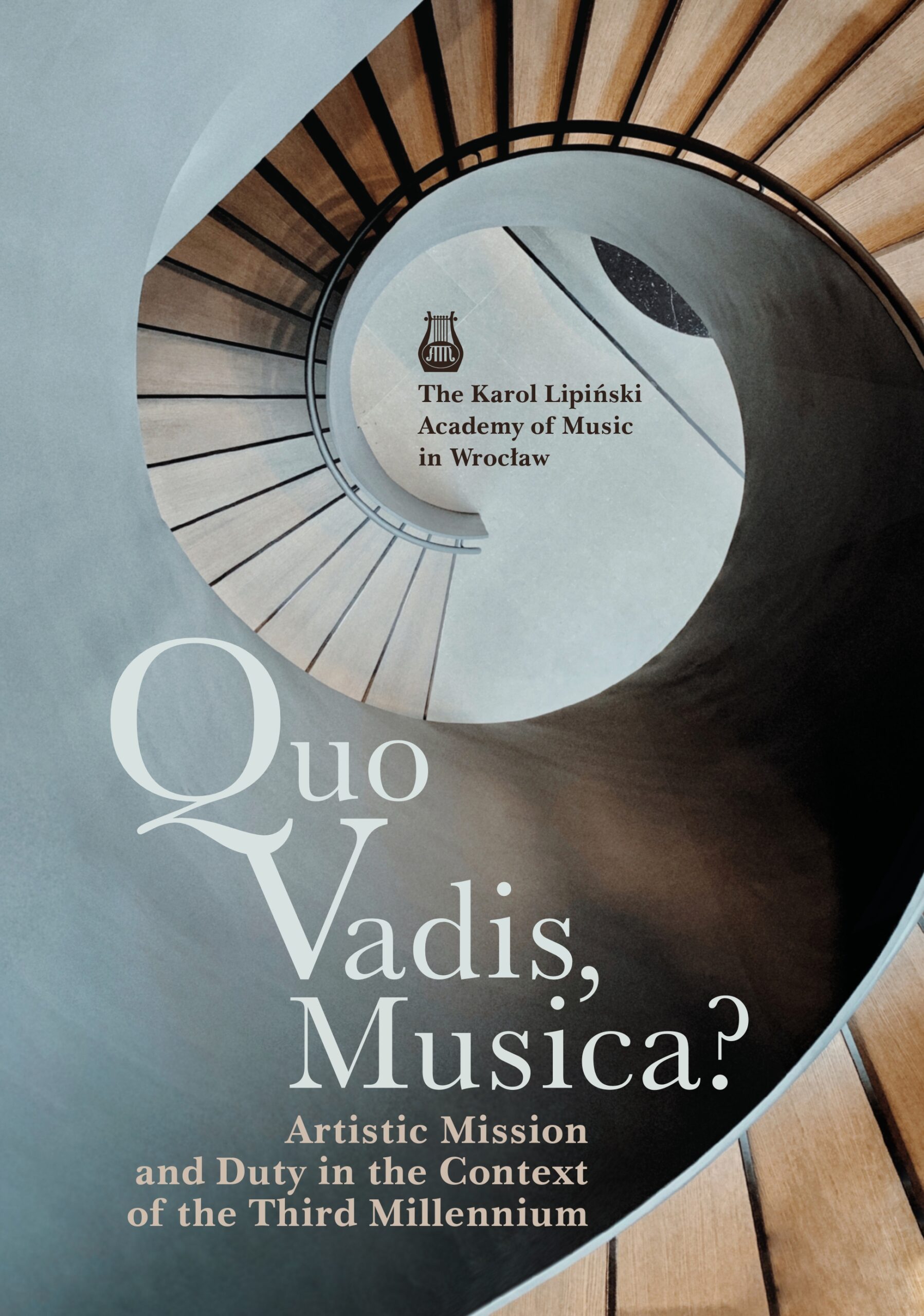
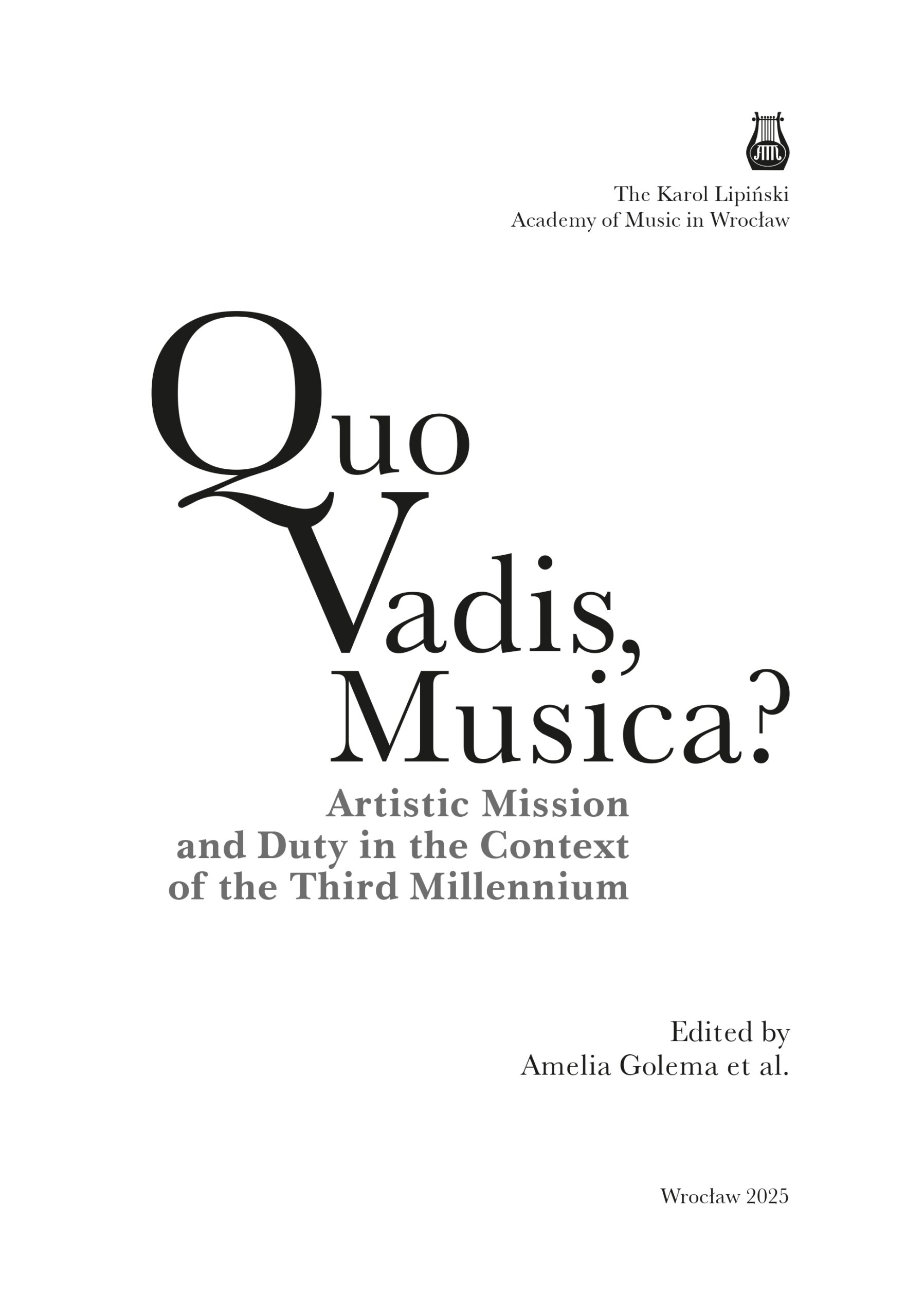
Quo Vadis, Musica?
0,00 zł
Publikacja dostępna jest bezpłatnie po pokryciu kosztów przesyłki.
red. Amelia Golema i zespół
Wrocław 2025
Na stanie
Opis
Where is music heading? Is its destination clearly defined? Who determines its goals? What is the quality and sense of 21st-century music? What does it mean to be an artist? In today’s world marked by ambiguity, which overwhelms us with excess of information and a cocktail of sounds that are increasingly difficult to filter or verify, there is often no time or space for pondering the important questions.
The publication is an attempt to reflect the melting pot of contemporary music. It refers to Polish and foreign music, to the past and the present, to areas that lie on the borderline between social sci-ences, humanities, and musical art. Among the authors, there are theorists and performers, professors as well as students. They are united, however, by a passion for music, which for them is a way of life and a means of self-expression, and which in the world of rapidly developing artificial intelligence, fortunately, still remains a human domain.
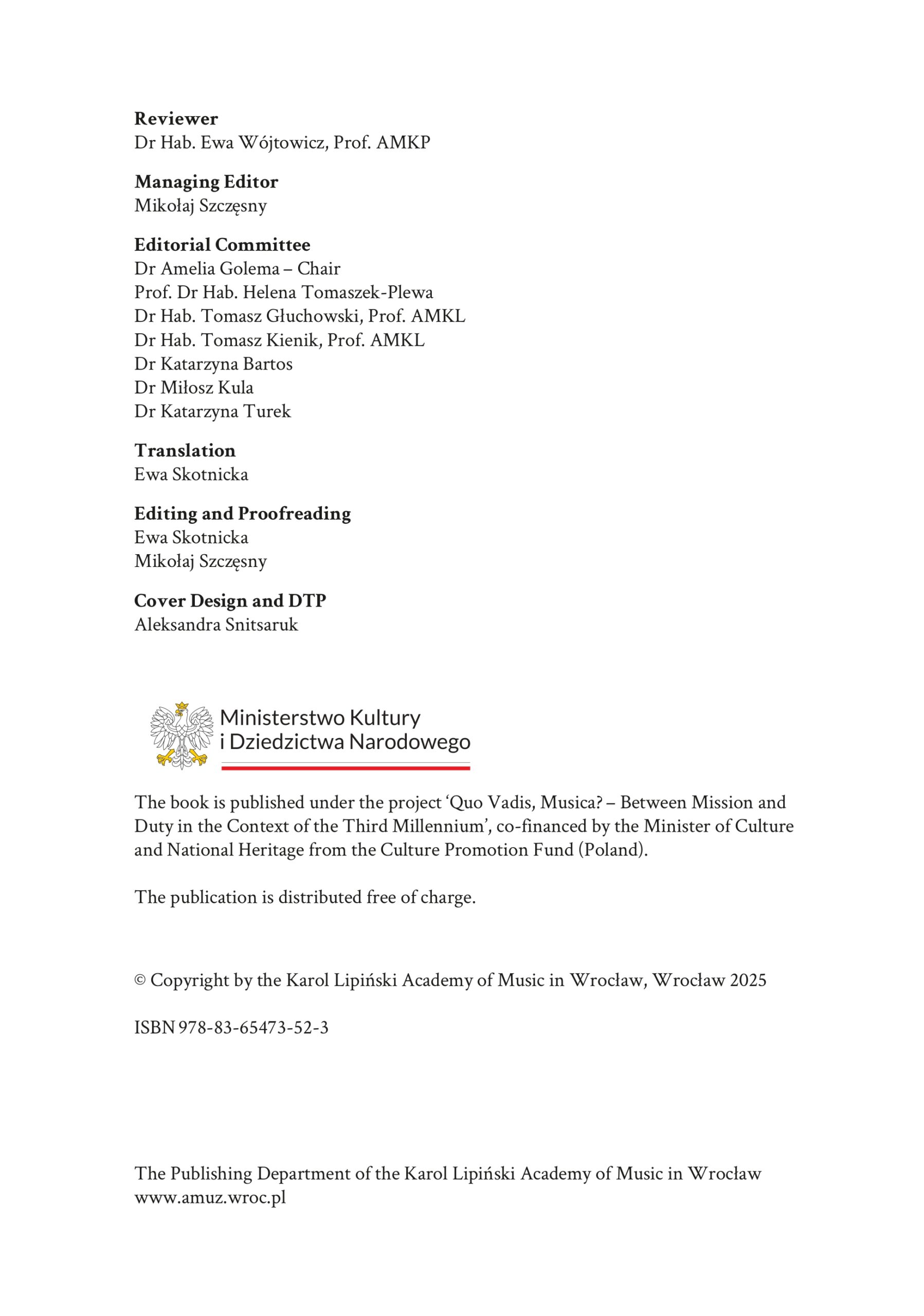
Publikacja wydana w ramach projektu „Quo vadis, musica? – pomiędzy misją a obowiązkiem w kontekście trzeciego tysiąclecia” dofinansowanego ze środków Ministra Kultury i Dziedzictwa Narodowego pochodzących z Funduszu Promocji Kultury.
Informacje dodatkowe
| Waga | 465 g |
|---|
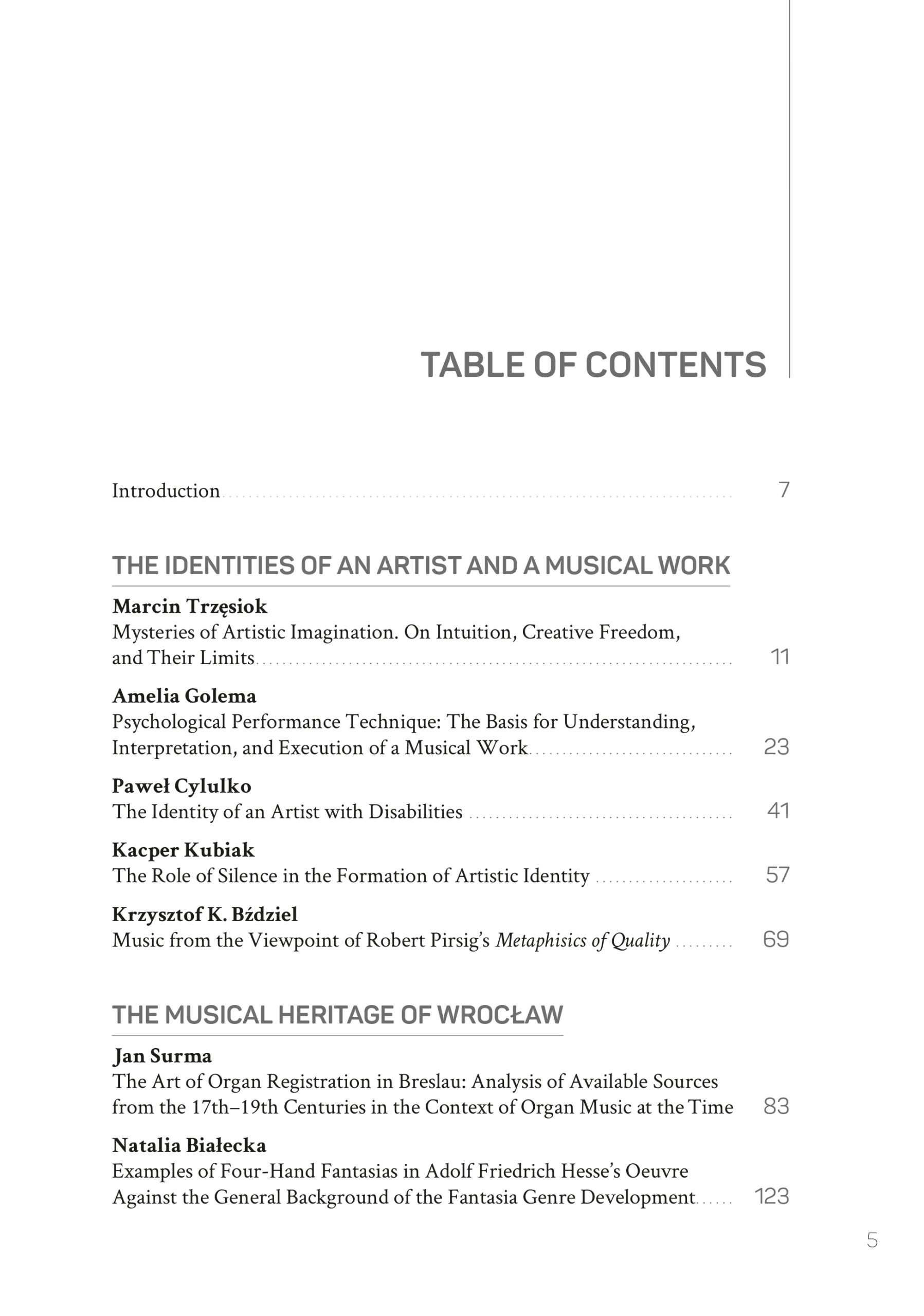
Spis treści
Introduction
THE IDENTITIES OF AN ARTIST AND A MUSICAL WORK
Marcin Trzęsiok Mysteries of Artistic Imagination. On Intuition, Creative Freedom, and Their Limitse
Amelia Golema Psychological Performance Technique: The Basis for Understanding, Interpretation, and Execution of a Musical Work
Paweł Cylulko The Identity of an Artist with DisabilitiesKacper Kubiak The Role of Silence in the Formation of Artistic Identity
Krzysztof K. Bździel Music from the Viewpoint of Robert Pirsig’s Metaphisics of Quality
THE MUSICAL HERITAGE OF WROCŁAW
Jan Surma The Art of Organ Registration in Breslau: Analysis of Available Sources from the 17th–19th Centuries in the Context of Organ Music at the Time
Natalia Białecka Examples of Four-Hand Fantasias in Adolf Friedrich Hesse’s Oeuvre Against the General Background of the Fantasia Genre Development
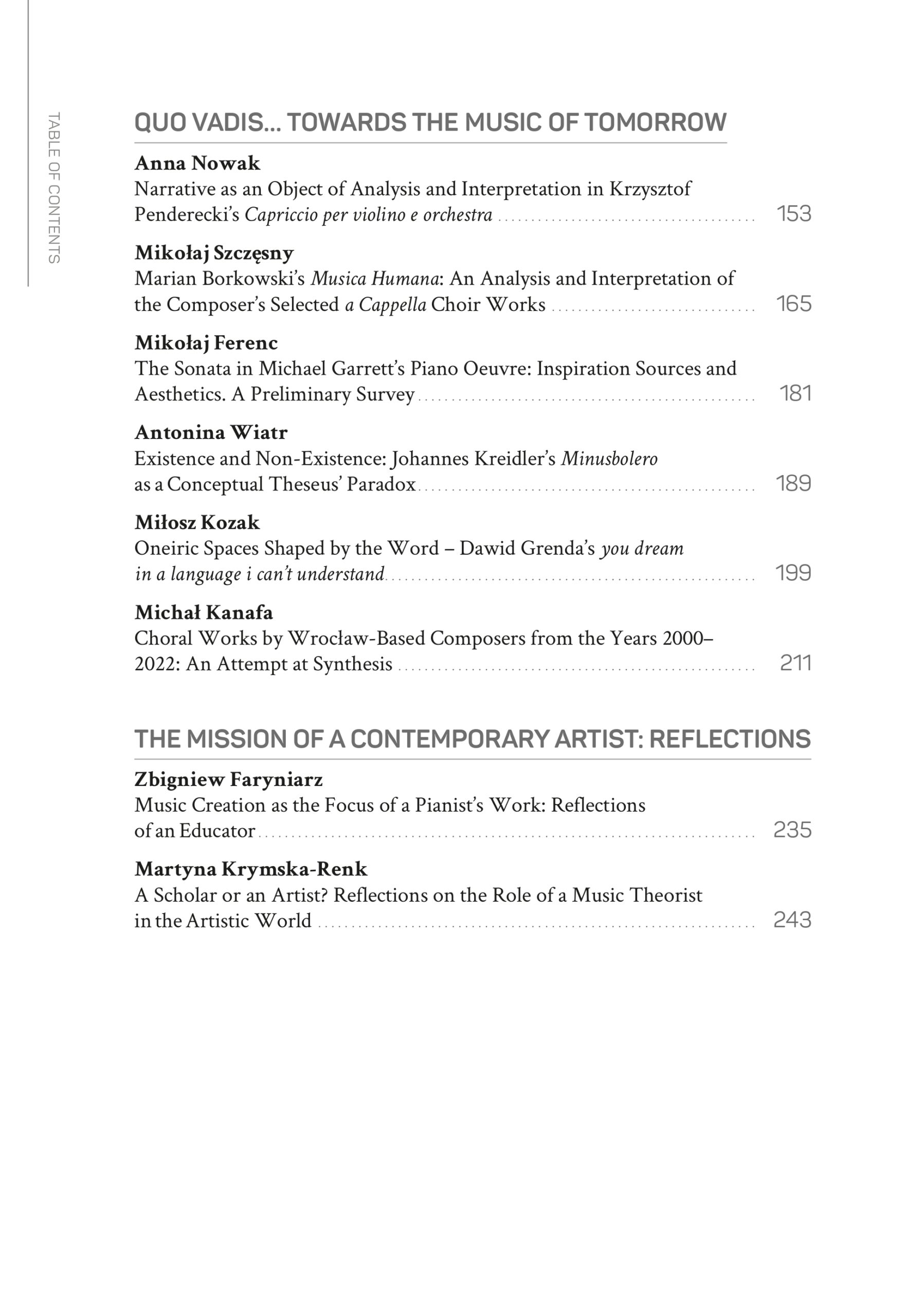
QUO VADIS… TOWARDS THE MUSIC OF TOMORROW
Anna Nowak Narrative as an Object of Analysis and Interpretation in Krzysztof Penderecki’s Capriccio per violino e orchestra
Mikołaj Szczęsny Marian Borkowski’s Musica Humana: An Analysis and Interpretation of the Composer’s Selected a Cappella Choir Works
Mikołaj Ferenc The Sonata in Michael Garrett’s Piano Oeuvre: Inspiration Sources and Aesthetics. A Preliminary Survey
Antonina Wiatr Existence and Non-Existence: Johannes Kreidler’s Minusbolero as a Conceptual Theseus’ ParadoxMiłosz Kozak Oneiric Spaces Shaped by the Word – Dawid Grenda’s you dream in a language i can’t understand
Michał Kanafa Choral Works by Wrocław-Based Composers from the Years 2000–2022: An Attempt at Synthesis
THE MISSION OF A CONTEMPORARY ARTIST: REFLECTIONS
Zbigniew Faryniarz Music Creation as the Focus of a Pianist’s Work: Reflections of an Educator
Martyna Krymska-Renk A Scholar or an Artist? Reflections on the Role of a Music Theorist in the Artistic World